REVIEW · SIDE
City of Side: Underwater Museum Scuba Diving Visit
Book on GetYourGuide →Operated by Seven Tours · Bookable on GetYourGuide
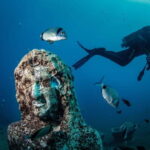
Side’s Underwater Museum feels like science fiction. You’ll swim above a curated scatter of 110 sculptures on the seabed, all around 5–6 meters deep, with expert support and real marine life in the mix. It’s a rare way to “read” history without standing in a museum hallway.
I love how beginner-friendly the setup feels. You don’t need previous experience, and you’ll get an instructor and safety guidance in German or English, plus equipment included.
One thing to plan for: the day includes walking in hot sun, both to and from the boat, and that can feel rough in peak summer. Add that drinks aren’t included and the mid-day timing can feel long, and you’ll want to arrive prepared.
In This Review
- Key points before you go
- Side’s Underwater Museum: What you’re really seeing
- Getting to the harbor: Pickup, sun, and the walk to the boat
- The safety briefing and gear that make it feel doable
- Two underwater sessions at 5–6 meters: How the museum experience plays out
- First session: getting oriented
- What makes it special: 110 sculptures, not just a few photo props
- Boat time and lunch: The mid-day pause you should plan for
- Second session: Use the break to stay calm
- Price and value: Why $50 can make sense here
- What to bring (and what to skip)
- Who this is for—and who should think twice
- Photos, no-cameras rule, and how to remember it
- Should you book the Side Underwater Museum scuba/snorkel trip?
- FAQ
- How long is the experience?
- Where does pickup happen?
- Is it suitable for first-time scuba participants?
- What underwater time do you get?
- How deep is the museum area?
- Is snorkeling available?
- What’s included in the price?
- What is not included?
- Are cameras allowed?
- Who shouldn’t do this activity?
Key points before you go
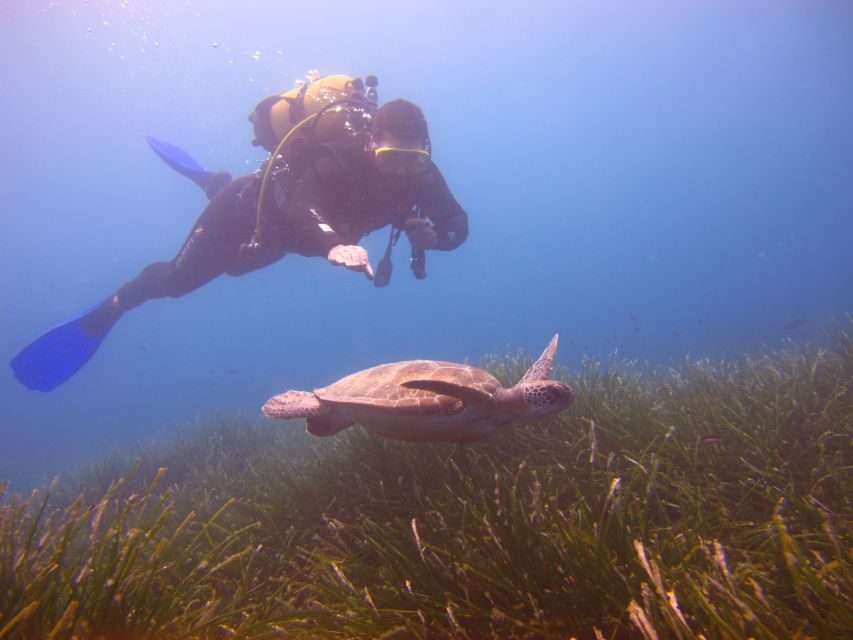
- Shallow water (about 5–6 meters) makes the museum reachable for many people
- Two separate underwater sessions of about 20 minutes each give you time to reset
- Instructor support for each guest helps first-timers feel steady
- 110 sculptures plus plants and animals means you’re not just looking at statues
- Boat lunch on the water is included, with views that beat eating on a street
- No cameras allowed, so you’ll likely rely on the photo team and what you buy later
Side’s Underwater Museum: What you’re really seeing
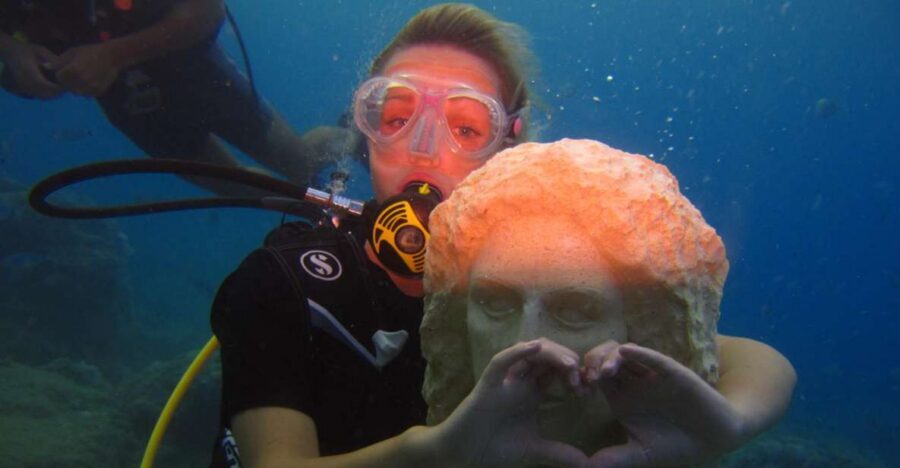
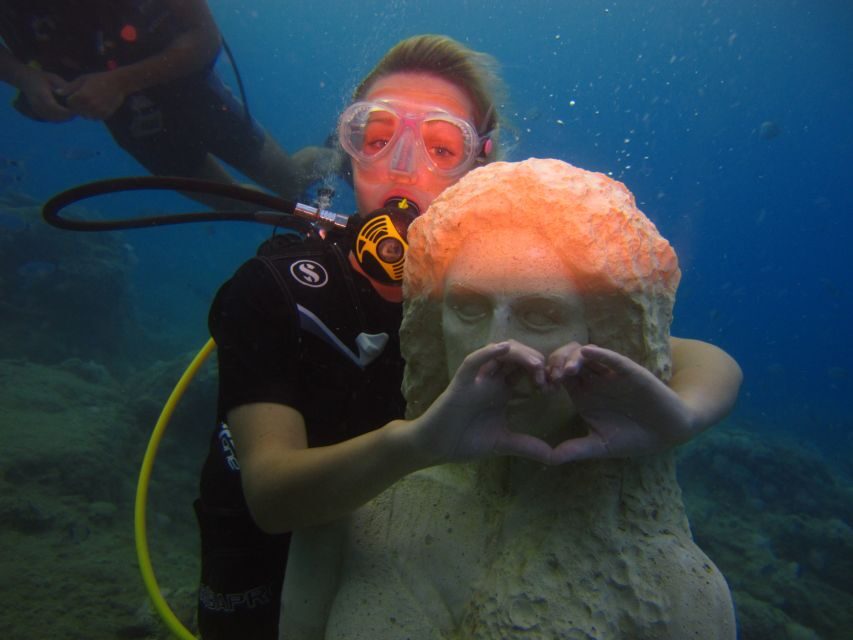
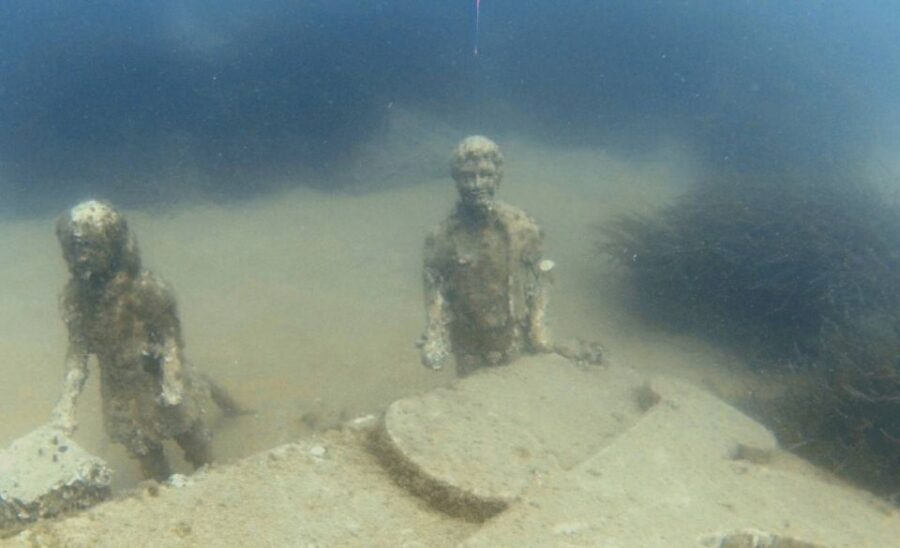
Side’s Underwater Museum is built around the idea that art and sea life can share the same space. Instead of one big “look and go” stop, you get multiple underwater moments where the sculptures become part of the underwater ecosystem—so you’re not just staring at stone, you’re noticing how nature uses the structures.
What makes it click is the mix: you’ll encounter sculptures spaced out across the seabed, and you’ll also notice marine plants and animals living around them. That combination is why the experience works for both first-time sea visitors and more confident scuba people. At this depth, you can still feel connected to the water surface and calm down if you need a breather.
And yes, it can feel surreal in the best way. One minute you’re on a boat in Antalya’s sunshine; the next you’re surrounded by man-made forms below the waves, with fish and sea growth turning the whole scene into a living gallery.
More Scuba Diving & Underwater Museum Tours in Side
Getting to the harbor: Pickup, sun, and the walk to the boat
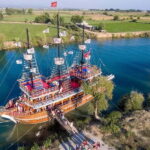
The day starts with hotel pickup in Side and nearby areas, using an air-conditioned bus. After you’re dropped near the departure area, you’ll walk to the boat—so even before you put on gear, you’re in “outdoor summer mode.”
This is where you’ll want to think practically. If you’re traveling in mid-summer heat, that walk can feel long, especially if you’re already slightly nervous about the water. Bring a towel, wear swimwear under your clothes, and keep your sunscreen on hand for after you’ve dried out.
Also, expect that the bus may not set you right at your exact door. A short walk at the start or end can happen, so wear footwear you can tolerate for a couple of minutes on hot pavement.
The safety briefing and gear that make it feel doable
Once you’re on the boat, you’ll get a safety briefing in German or English. This matters because the underwater museum is in shallow water, but it’s still an equipment-and-breathing activity. The people running the experience are set up to guide you step-by-step, and they include instructors for each guest.
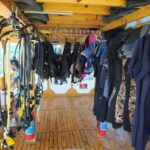
Equipment is provided, and the tour includes snorkeling equipment as well. That means you have options depending on age and comfort level. If you’re eligible for scuba, you’ll use the scuba setup; if you’re snorkeling, you still get to enjoy the same underwater setting from the surface.
The strongest “value” here is that you’re not left to figure things out on your own. You’re not paying just for access to a site—you’re paying for guidance that helps you have a good session, even if this is your first time in scuba gear.
Two underwater sessions at 5–6 meters: How the museum experience plays out
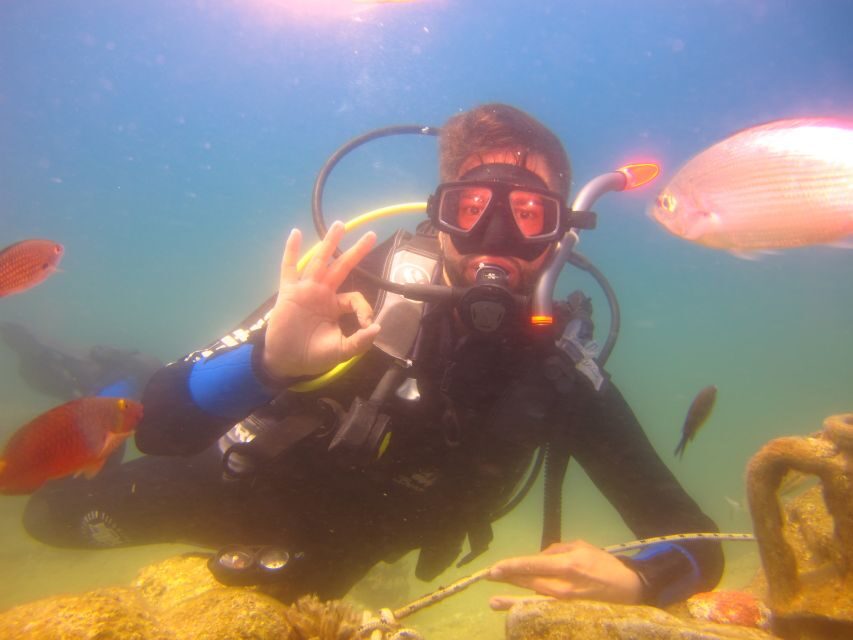
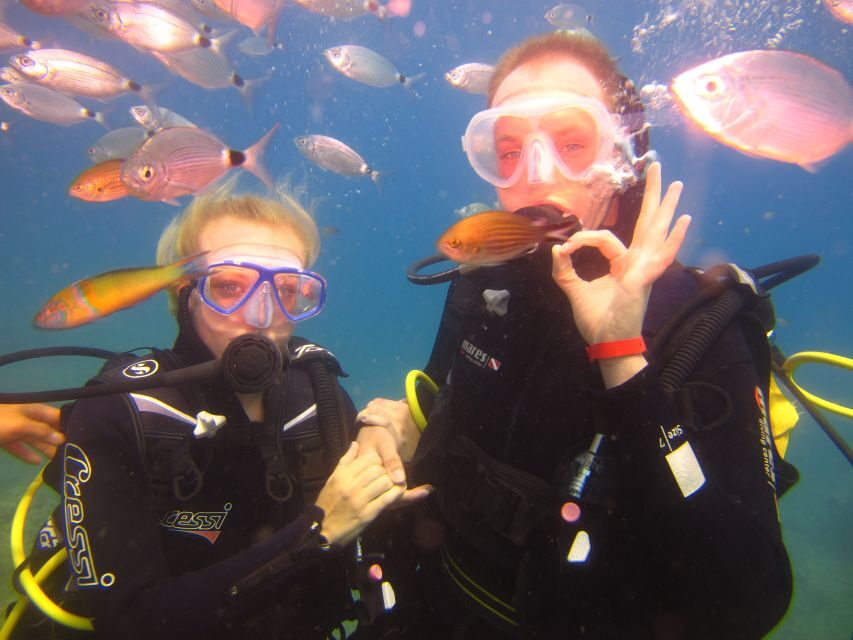
Your schedule is built around two underwater sessions, each around 20 minutes. Between them, you’ll rest on the boat for roughly 1.5 to 2 hours. That structure is smart. It gives you a chance to catch your breath, warm up, and regroup before the second round.
First session: getting oriented
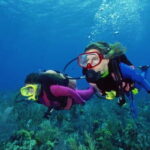
In the first underwater session, you’ll explore the museum area where the sculptures sit underwater. The depth—around 5–6 meters—is a big reason this works. In this range, you’re not fighting for control in very deep water, and you can focus on seeing how the sculptures and sea life connect.
You should also anticipate that your brain will spend the first few minutes learning your timing: breathing, buoyancy, and what to look at. Don’t force it. Let the instructor’s guidance set your rhythm, then start noticing the animals and plants using the structures.
Other city tours we've reviewed in Side



What makes it special: 110 sculptures, not just a few photo props
The museum isn’t just a handful of statues lined up for a single quick look. You’ll be looking around an area with about 110 sculptures, and that number changes the feel of the experience. Instead of one “wow” moment, you get repeated small discoveries as the scene shifts with your position in the water.
It’s also the kind of site where you can be as observant as you want. If you’re the type who likes details, you’ll enjoy watching how growth and marine life gather around the sculpture forms.
Boat time and lunch: The mid-day pause you should plan for
After your first session, there’s a rest period on the boat—about 1.5 to 2 hours. During this time you can relax, dry off, and take in the open-water views. For many people, this is the best time to reset mentally, especially if you were a little tense underwater.
Lunch is included during this break. It’s the simple kind of meal you’d expect from a half-day style marine trip: it gets you fed, not “fine dining.” Drinks are not included, so if you’re thinking of soda or iced tea, budget for that separately.
One practical tip: don’t rely on drinks being cheap or predictable. If you want something specific, bring water where allowed or be ready to pay onboard when you’re thirsty.
Second session: Use the break to stay calm
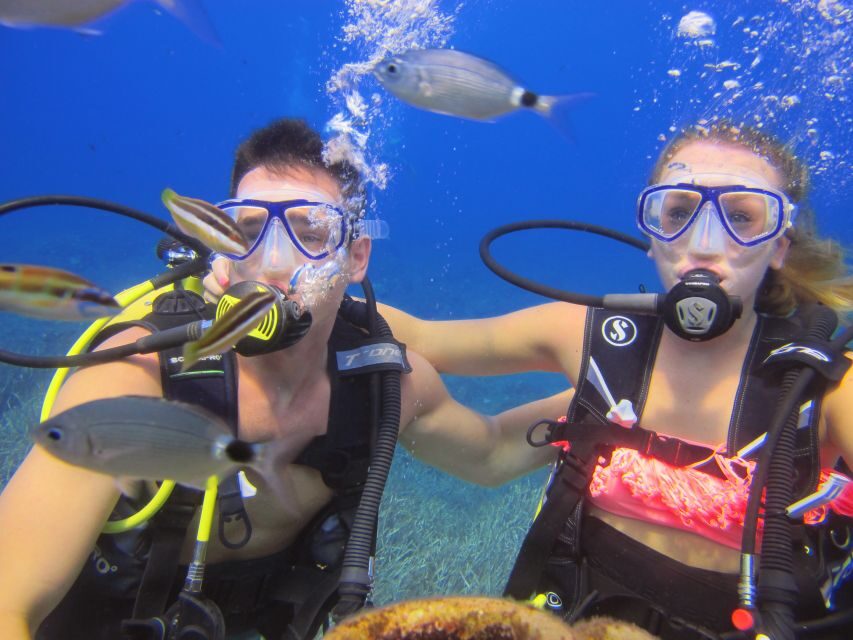
The second underwater session is where the whole experience either clicks or feels stressful. The good news is that you get a real break in between, so you don’t have to go back down on adrenaline.
What I’d aim for is a second-round mindset: less “prove you can do it” and more “slow observations.” If you had any worries the first time, now is the moment to follow the instructor’s pace and remind yourself that shallow water still gives you a lot to see.
You’ll continue exploring the museum area and watching the marine plants and animals around the sculptures. Since you’ve already found your rhythm once, you usually spend the second session noticing more—and worrying less.
Price and value: Why $50 can make sense here
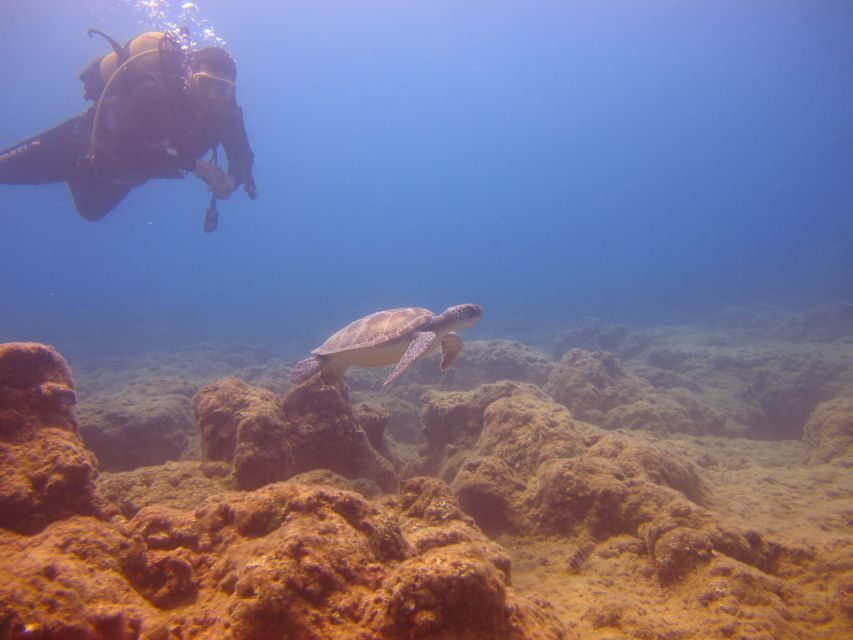
At about $50 per person, the big question is whether you’re getting more than a basic boat outing. In this case, you’re paying for a full package: pickup and drop-off in the Side area, equipment, lunch, two underwater sessions, and instructor support for each guest. Insurance is included too.
If you break it down, that’s what makes the price feel reasonable. You’re not just paying for access to the site. You’re paying for the staff time that gets you suited up, briefed, guided, and supported in shallow water.
Is it perfect value for everyone? It depends on your expectations. If your priority is lots of included beverages, lots of organized downtime, or minimal walking, you may feel the day is more “experience-first” than “comfort-first.” But if you want a structured, guided museum visit with real underwater time, the math works.
What to bring (and what to skip)
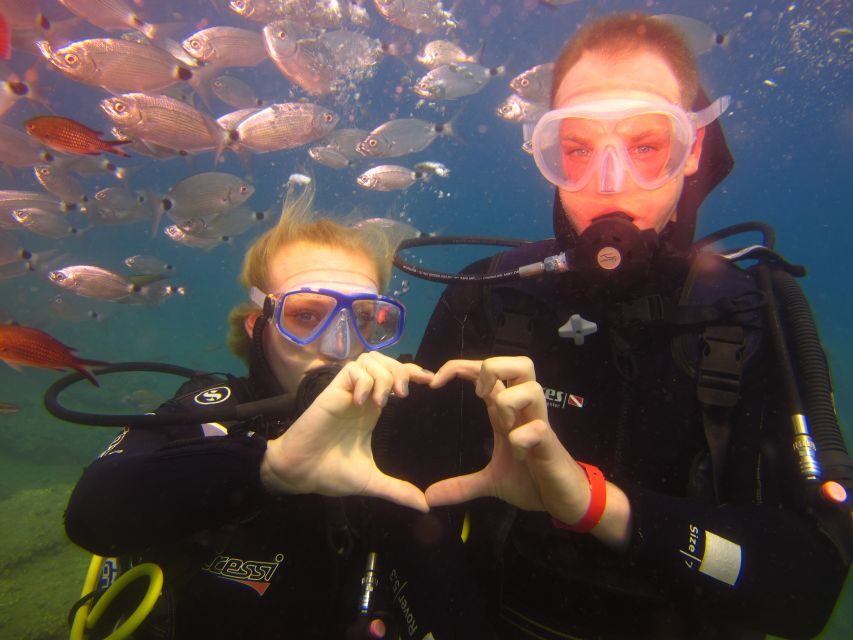
This is one of those tours where packing smart saves you stress. Bring:
- Swimwear
- A towel
That’s it for “must-haves,” and it’s refreshingly simple. Everything else is handled by the team on the day.
What to skip:
- Cameras are not allowed, so plan on relying on the photo team for images (and you can buy photos or a DVD if offered).
- Don’t bring pets.
Wear clothing that you don’t mind drying in stages. You’ll likely change and re-change depending on where you are on the boat and how you handle getting in and out.
Who this is for—and who should think twice
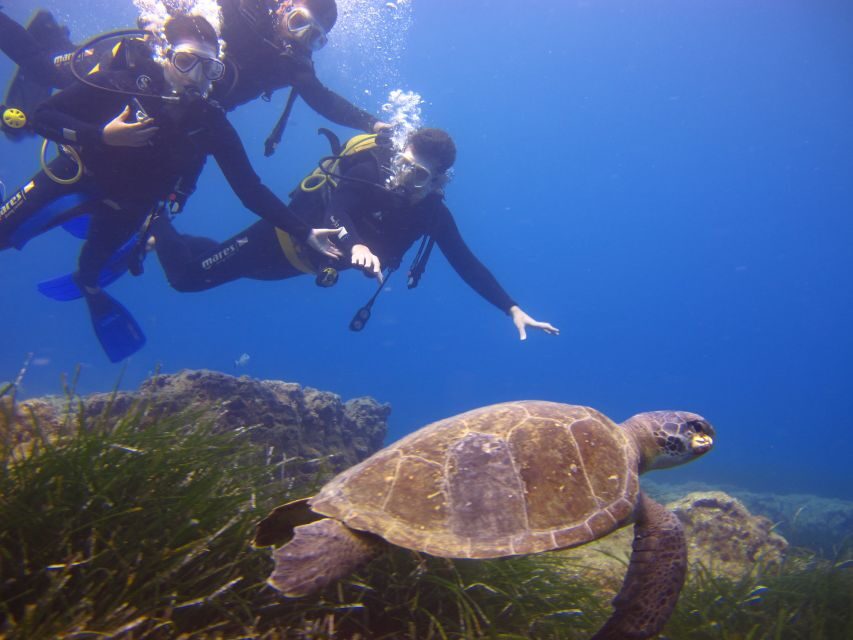
This activity can work well for people new to scuba, since it’s not necessary to have previous experience. The shallow museum depth is part of the reason.
But there are clear “nope” categories. It’s not recommended if you have health problems, and it isn’t suitable for:
- Children under 16 (they may snorkel but can’t do scuba)
- Pregnant women
- People with claustrophobia
- People with vertigo
- People with epilepsy
- People with pre-existing medical conditions
- People with respiratory issues
If any of those apply to you, it’s better to treat snorkeling as the safer alternative (where allowed) or choose a different plan entirely. Underwater activities demand calm breathing and stable comfort, and your body should be the boss of the decision.
Photos, no-cameras rule, and how to remember it
Here’s a key detail that affects expectations: cameras aren’t allowed. That means your own “I’ll capture the moment” plan has to shift.
The good part is that there’s a photo team involved, so you’ll likely have professional images to purchase afterward. If you want physical reminders, assume you’ll need to budget a bit for that.
If you’re the type who loves taking your own footage, this policy might annoy you. But it can also make the session calmer. Fewer people fiddling with gear under the water often means a smoother flow for everyone.
Should you book the Side Underwater Museum scuba/snorkel trip?
I think you should book this if you want an unusual, structured underwater experience in Side that doesn’t demand deep-water confidence. The shallow depth, included equipment, and one-instructor-per-guest support make it feel manageable, even for first-timers.
I’d hesitate if you’re sensitive to heat and long walking segments, or if you expect lots of included drinks and highly polished day-to-day service. Also, if you’re dealing with the listed health or comfort issues, don’t push it just because the museum sounds cool.
In short: it’s a strong choice for sea lovers and curiosity seekers who want real underwater time around art—and want it guided, not improvised.
FAQ
How long is the experience?
The duration is about 7.5 hours.
Where does pickup happen?
Pickup is included from hotels in Gundogdu, Colakli, Evrenseki, Kumkoy, Side, Sorgun, Titreyengol, Kizilagac, and Kizilot areas.
Is it suitable for first-time scuba participants?
Yes. Previous scuba diving experience is not necessary.
What underwater time do you get?
You get two underwater sessions, each about 20 minutes.
How deep is the museum area?
The depth is about 5–6 meters.
Is snorkeling available?
Yes. Snorkeling equipment is included, and children under 16 may only go snorkeling.
What’s included in the price?
Hotel pickup and drop-off, diving/scuba equipment, snorkeling equipment, lunch, two underwater sessions, instructor for each guest, and insurance are included.
What is not included?
Drinks are not included, and photos/DVD are available for purchase separately.
Are cameras allowed?
No. Cameras are not allowed.
Who shouldn’t do this activity?
It’s not recommended for people with health problems, and it’s not suitable for pregnant women and people with claustrophobia, vertigo, epilepsy, pre-existing medical conditions, or respiratory issues.
If you tell me your age and whether you’re planning scuba or snorkeling, I can help you sanity-check whether this is the right fit for your group and how to plan your day around the sun and the two-session schedule.