REVIEW · SIDE
Ancient Perge, Aspendos Amphitheater & Manavgat Waterfalls Tour
Book on Viator →Operated by Tourmania · Bookable on Viator
Roman ruins, real scale, and cool river air.
This Side-to-the-south coast loop is a guided, 10-hour sampler of three big stops, starting with ancient streets at Perge and ending with the Manavgat Waterfalls. I like that you get a set plan with a professional guide, so you’re not stuck guessing what you’re looking at. I also like the balance of hard sights (the amphitheater) and softer breaks (lunch and the waterfall stop).
You’ll spend time walking through major Perge and Aspendos highlights—Roman city planning, major theatre structures, and the feeling of being in places designed for crowds. The guide style tends to keep it fun too; one guide I’ve heard praised is Ozzy, described as funny and informative while keeping the whole day moving smoothly.
One thing to keep in mind: if you’re sensitive to heat, note that the bus is described as air-conditioned, but some people have flagged AC that wasn’t great. If you run hot, plan for a warm day outside and bring something light you can layer on the ride.
In This Review
- Key highlights to know before you go
- From Side pickup to a full 10 hours of highlights
- Perge Antik Kenti: Roman street design, marble finds, and a theatre for 15,000
- The theatre and the “still feels Roman” vibe
- Marble sculpture and a city that mattered
- A stadium you can spot as “one of Turkey’s best-preserved”
- Time reality check
- Aspendos ruins: the Roman amphitheater on the Köprüçay River
- What you’ll see at the amphitheater and surrounding ruins
- Time reality check at Aspendos
- Lunch at the Aspendos restaurant: when your feet finally get a break
- Antalya stop for jewelry and fabric: a shopping pause, not a sightseeing core
- Manavgat Waterfalls: the cooling hour you’ll remember
- Wear-for-this-stop advice
- Price and value: what you pay, and what entrance fees might add
- Who this tour fits best (and who might want to skip)
- Should you book the Perge, Aspendos & Manavgat Waterfalls tour?
- FAQ
- What time does the tour start?
- How long is the tour?
- Is hotel pickup and drop-off included?
- Is lunch included?
- Are entrance fees included?
- Is there a mobile ticket?
- How many people are in the group?
- Is the bus air-conditioned?
- Is the tour suitable for people with moderate fitness?
- How does the Manavgat Waterfalls stop work?
Key highlights to know before you go
- Perge Ancient City in Roman scale with a well-preserved theatre and a 500-meter main-street feel
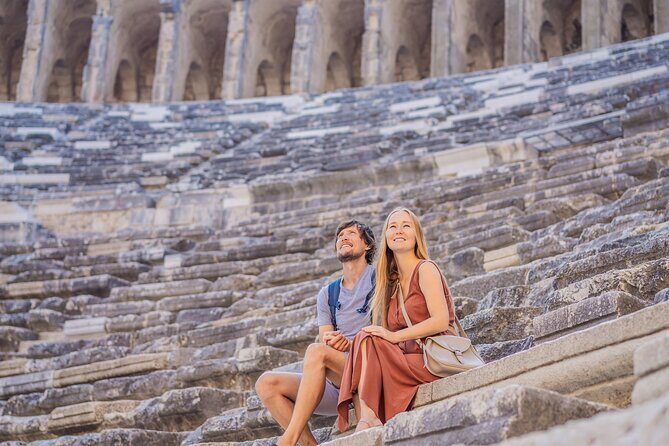
- Aspendos amphitheater built in 155 AD, one of the best-preserved in the region
- A structured day with a lunch stop at an Aspendos-area restaurant
- Manavgat Waterfalls for a cooling hour with pine scent and fresh air
- Small group size (max 15), which helps the day feel less rushed
- Optional entrance fees can add cost if you don’t select the entry option
From Side pickup to a full 10 hours of highlights
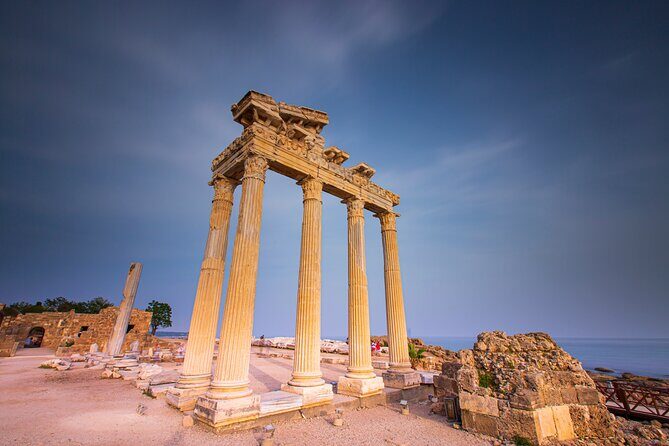
This tour is built for day-trippers based in Side. You start at 8:00 am with hotel pickup and drop-off, then ride in an air-conditioned bus to the archaeological areas. The whole experience runs about 10 hours, so it’s a lot of moving in one day—but it’s also the kind of route that lets you see multiple top sites without juggling transport on your own.
The small group size (up to 15 travelers) matters more than you might think. On big, open ruins sites, it helps when your guide can keep everyone together and still give you time to look up at details without losing the group every few minutes. You’ll also use mobile tickets, which is practical when you’re bouncing between entrances and viewpoints.
The one logistics detail to plan around is comfort on the bus. The tour says the bus is air-conditioned, but a previous guest noted the AC felt weak. If you’re booking in warmer months, consider bringing a light layer and sitting where you’ll get airflow.
More Manavgat Day Trips in Side

Perge Antik Kenti: Roman street design, marble finds, and a theatre for 15,000
Perge is the place you go when you want ancient architecture that feels organized, not random. It’s in the Aksu district area (about 17 kilometers from Antalya), and the story is long: Perge is known as Parha and is believed to have survived the Hittite period, then became one of the more organized cities in Anatolia during the Roman period.
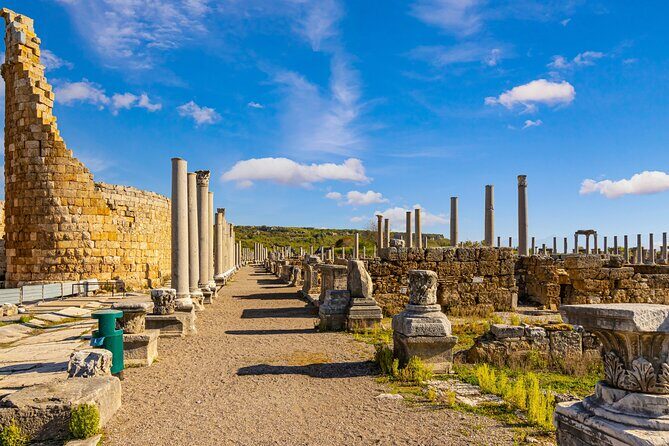
What you’ll notice fast is the city plan. Perge is laid out around two main streets running east-west, plus additional streets following a north-south grid. That structure is part of why the ruins still feel readable even though you’re seeing fragments instead of a whole living city.
Now for the main reasons people get excited here:
The theatre and the “still feels Roman” vibe
Perge’s theatre has a capacity of about 15,000 and is described as well preserved. You can think of it as an engineered setting—designed for sound and visibility—so it’s not just stones. You get to walk among parts of a Roman performance space that still communicates scale.
There’s also a noted double-storey building associated with the theatre (listed as M.S., built in the 2nd century). Some of the finds connected to the theatre are displayed today in the Antalya Museum, including a dedicated area called the Perge Theater Hall. Even if you never make it to the museum, it helps to know those pieces didn’t just vanish into storage.
Marble sculpture and a city that mattered
Perge is also famous for architecture and marble sculpture, and that’s part of the appeal if you enjoy details like faces, reliefs, and the craftsmanship behind Roman building culture. The idea isn’t only to say Perge was important—it’s that the place produced art and objects worth curating later, which tells you how central it was.
A stadium you can spot as “one of Turkey’s best-preserved”
Perge’s stadium is mentioned as one of Turkey’s best-preserved, which gives you another clue that this city was serious about public life and spectacle. If you like sports venues, or you just like Roman infrastructure, this is a nice bonus.
More Perge & Aspendos Tours in Side


Time reality check
You’ll have around 1 hour at Perge. That’s enough to get your bearings and hit the big highlights, but it’s not long enough for slow wandering and deep museum-style reading. If you love archaeology and want to linger over inscriptions or small sculptural details, use your guide time well—ask what to look for, then go back for the views.
Aspendos ruins: the Roman amphitheater on the Köprüçay River
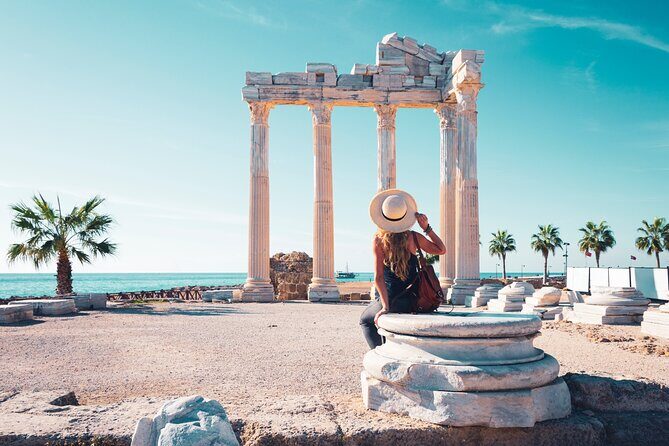
Then you move to Aspendos, which sits on the banks of the Köprüçay River. Aspendos once ranked among the most important cities in Pamphylia. Today it’s famous for a single headline feature: a Roman amphitheater built in 155 AD that remains remarkably preserved.
Even without getting technical, you can feel what makes Aspendos special: it’s not a collapsed outline. It’s a working kind of structure—still shaped the way a theatre is meant to work. The day’s pacing often gives you multiple “passes” here, so you don’t just stare at one angle and leave.
What you’ll see at the amphitheater and surrounding ruins
The tour description highlights the amphitheater as “gigantic,” with a setting that includes stadium-like elements and Roman-era infrastructure such as Roman gates, city walls, and Roman baths. You’re also guided through the area in a way that connects the theatre to the broader city layout.
One of the coolest elements mentioned is the walking experience through major city-space: you’ll see a 500-meter-long main street (described with columns and fountains) along with an acropolis-area dating to the Bronze Age. That’s one reason this stop feels like more than a photo stop. You’re seeing the layered timeline—Bronze Age foundations, then Roman civic space—right in the same general orbit of place.
Time reality check at Aspendos
Your day includes several time blocks here (one longer and then focused theatre time). That’s helpful because you can first get the big picture of the ruins, then switch attention to the theatre structure itself. Still, it’s a day tour. If you want to do long reading on stones, you’ll want to pair it with extra time later or plan a second visit.
Lunch at the Aspendos restaurant: when your feet finally get a break
Lunch is built in after Aspendos, with an included meal at an Aspendos-area restaurant. The lunch is described as simple but tasty, and there’s a note about a nice view from the restaurant, which matters on a day like this.
This isn’t just about food. It’s your reset moment. You’ll have walked through stone city blocks and stepped into amphitheater spaces, so by lunch you’ll likely be ready for two things: water and a chance to cool down.
Practical tip: if you’re sensitive to sun, use this hour to reapply sunscreen and take a slow pace before you head back out. A good lunch break makes the final hour at Manavgat feel like a reward instead of a second chore.
Antalya stop for jewelry and fabric: a shopping pause, not a sightseeing core
Midday, there’s a 1-hour break in Antalya tied to a jewelry fabric store stop. The admission for this part is listed as free, so you’re not paying to enter—but you should still expect the time to be oriented around browsing and selling.
This is one of those “depends on you” moments. If you enjoy crafts, textiles, or small souvenirs, it can be useful. If you’re not into shopping, treat it as a short pause to rest your legs and regroup. Don’t spend your energy trying to evaluate every product—use it like a coffee break with an added display.
Manavgat Waterfalls: the cooling hour you’ll remember
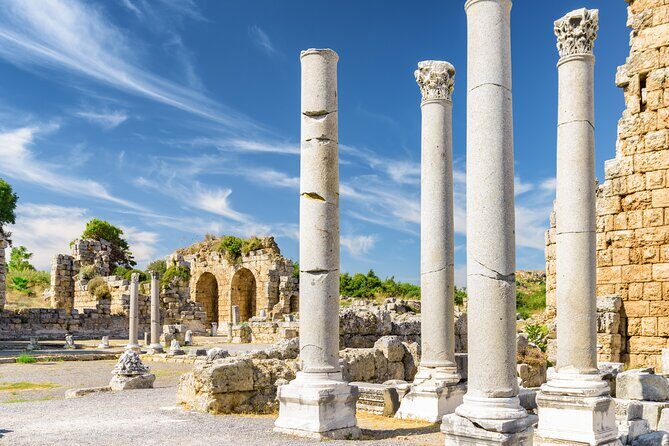
The final major stop is Manavgat Waterfalls, on the way back to Side. You get about 1 hour here, and the description focuses on how it feels: green surroundings, fresh air, pine scent, a cool atmosphere, and spectacular falls.
This is the perfect bookend to Roman ruins. After amphitheater stone and sunlit streets, you’ll get moisture in the air and a different kind of sensory experience. Even if you’re not the type to wander for long, one hour is usually enough to get close, take photos, and soak in the cooling effect.
Wear-for-this-stop advice
The tour says you only need moderate physical fitness, which suggests some walking. For the waterfalls part, wear shoes you’re comfortable moving in. Keep an eye on slippery spots near water and plan for the fact that the air can feel cooler even when the sun is strong.
Price and value: what you pay, and what entrance fees might add
The base price is $41.50 per person, with pickup, drop-off, a professional guide, and lunch included. You’ll also use mobile tickets, which is a small but real time-saver.
The cost question is entrance fees. The details you’re given say entrance fees are around 30€ per person and not included unless you select the entrance-fee option. If you don’t include entrance fees in advance, that’s an extra expense you should budget for.
So is it value? In my view, it is if your goal is highlights in one day:
- You’re packing in Perge + Aspendos + Manavgat with a guide doing the interpretation.
- You’re not paying for separate transport or trying to stitch bus timing between sites.
- Lunch is included, which reduces the number of extra purchases you have to think about.
This tour is best for people who want the big names without extra planning. If you’re the kind of visitor who wants long hours in just one site, you might prefer a slower, site-by-site approach.
Who this tour fits best (and who might want to skip)
You’ll probably enjoy this if you:
- Want a guided day built around top archaeological hits near Side
- Like getting stories behind what you see—Perge’s theatre and planning, Aspendos’s amphitheater in 155 AD, and the river setting
- Are okay with a schedule that’s active but not extreme (moderate fitness is mentioned)
- Prefer a small group (max 15) over large bus chaos
You might hesitate if:
- You’re very sensitive to bus comfort and heat (some people flagged AC concerns)
- You hate shopping interruptions, since there’s a 1-hour jewelry/fabric stop
- You prefer unstructured time. This is a “see the highlights” day, not a slow roam.
Should you book the Perge, Aspendos & Manavgat Waterfalls tour?
I’d book it if you want one efficient day that connects three major experiences: Roman street life at Perge, the amphitheater wow-factor at Aspendos, and a real cooling finale at Manavgat.
Before you commit, do two things:
1) Confirm whether entrance fees are included for your ticket so you’re not surprised by the ~30€ add-on.
2) Bring a light layer for the bus and plan for sun outside. The route is packed, and comfort matters when you’re moving all day.
If you want, tell me your travel month and whether you’re more into ruins, photos, or downtime. I can help you decide if this pace fits your style, or if you should mix it with a slower day around Side.
FAQ
What time does the tour start?
It starts at 8:00 am.
How long is the tour?
The duration is about 10 hours.
Is hotel pickup and drop-off included?
Yes, pickup and drop-off are included.
Is lunch included?
Yes, lunch is included.
Are entrance fees included?
Entrance fees are not included unless you select the option. The entrance fees are listed as 30€ per person.
Is there a mobile ticket?
Yes, the tour uses a mobile ticket.
How many people are in the group?
The maximum group size is 15 travelers.
Is the bus air-conditioned?
The tour description says it uses an air-conditioned bus.
Is the tour suitable for people with moderate fitness?
Yes, it notes a moderate physical fitness level is recommended.
How does the Manavgat Waterfalls stop work?
You get about 1 hour at Manavgat Waterfalls to relax and enjoy the falls.